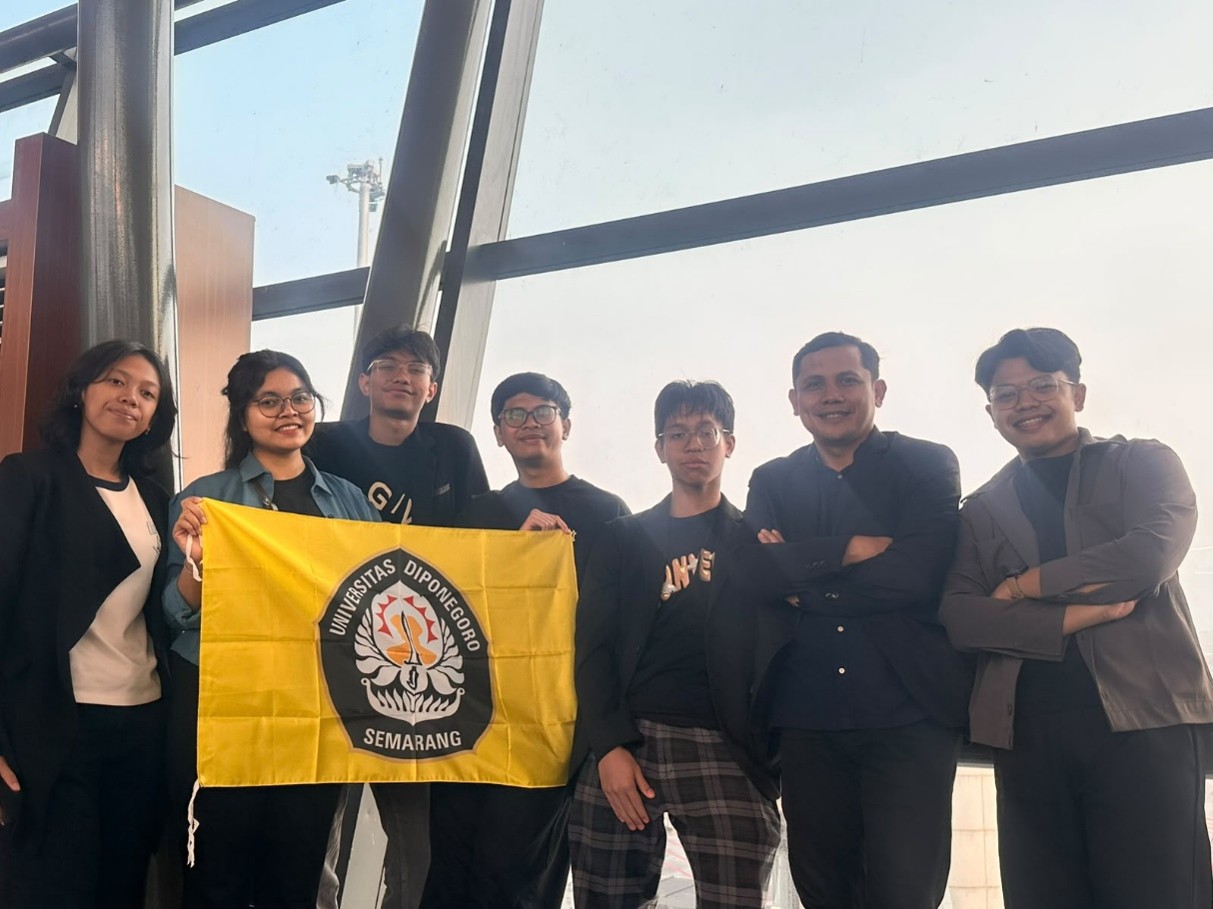
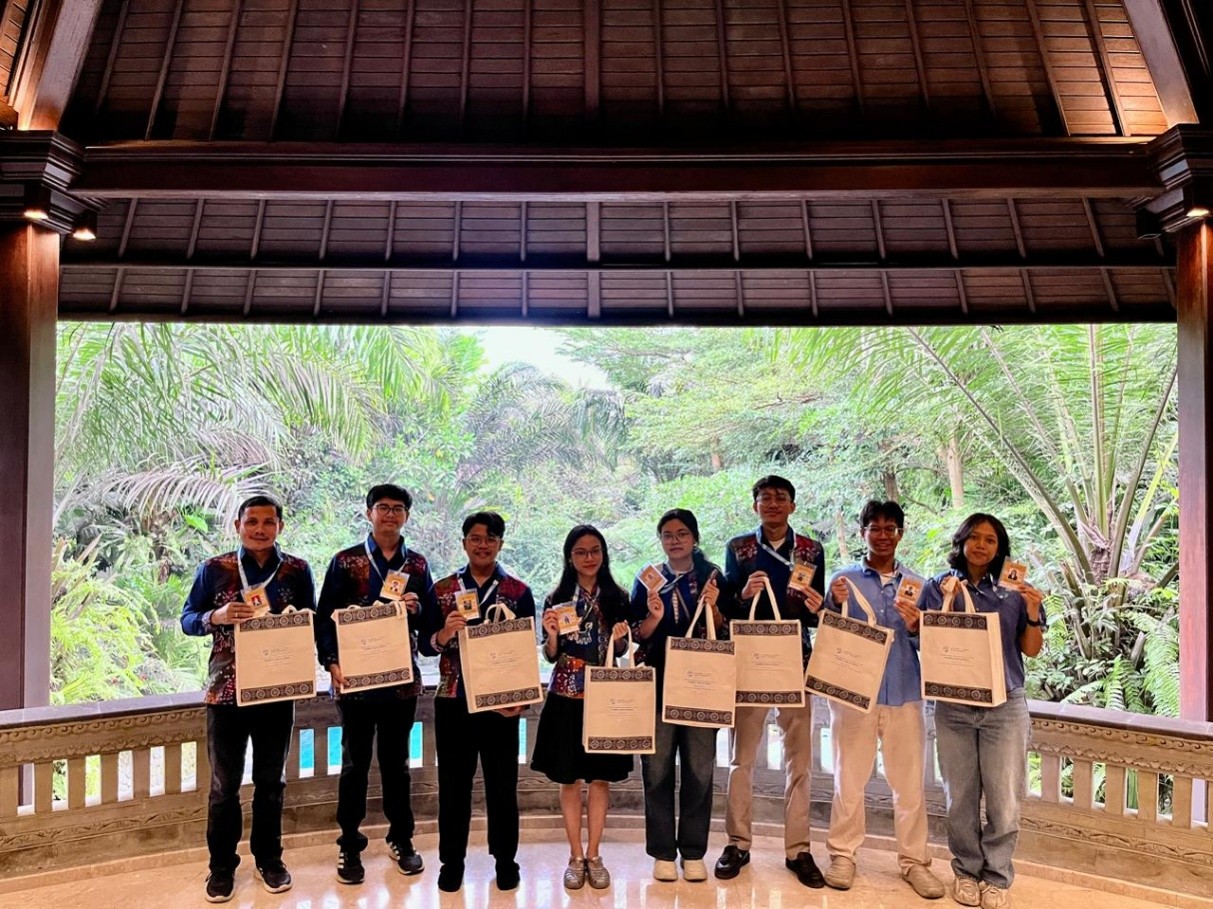
Semarang – Nur Shafika, a Master’s student in Economics at the Faculty of Economics and Business, Universitas Diponegoro (UNDIP), participated in the international “Krushna Chandra Jena Chilika-V2V Annual Field School” from August 1–8, 2026. The program was themed “Environmental Change and Governance: Learning Through Senses – Place-Based, Cross-Cultural and Experiential Education for Sustainable Futures.”
The program was organized by the Vulnerability to Viability (V2V) Global Partnership in collaboration with the Department of Humanities and Social Sciences at the Indian Institute of Technology (IIT) Kharagpur and NIRMAN Odisha, with support from international partners, including the Social Sciences and Humanities Research Council (SSHRC) of Canada.
The series of activities began in Barkul, in the Chilika Lagoon region of Odisha, India, from August 1–2, 2026. There, Nur Shafika and other international participants engaged in discussions and meetings with various stakeholders and the local fishing community. The discourse focused on the vulnerabilities of coastal populations, environmental change, the sustainability of livelihoods, and the socio-economic challenges faced by fishing communities.
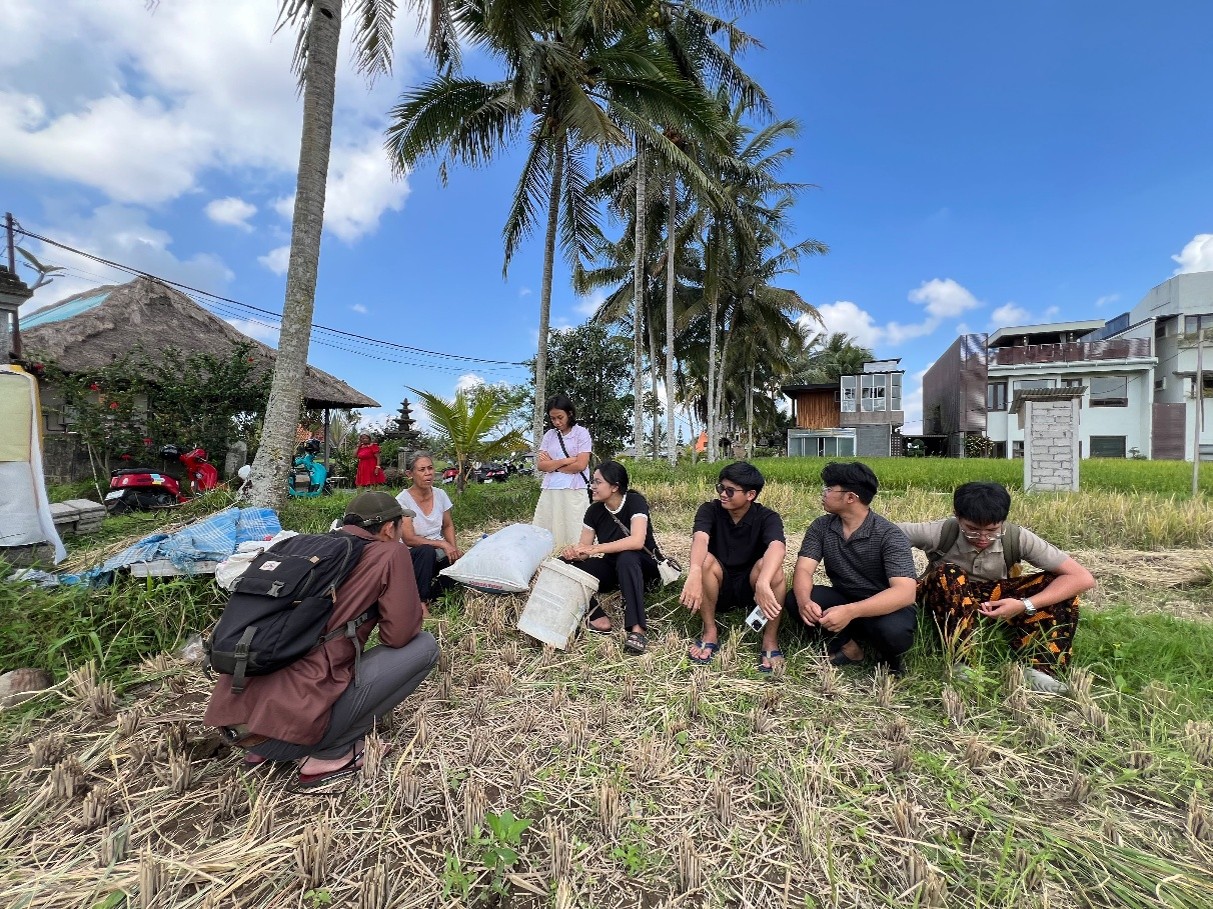
Following the activities in India, the program continued in Ubud, Bali, through a “Hybrid Field School” themed “Sustainability and Cultural Tourism.” The learning process involved field visits to several locations, including the Ubud Palace (Puri Ubud), the Subak Juwuk Manis (traditional irrigation system), the Monkey Forest, and an excursion with Mason Adventures featuring rafting on the Ayung River. These visits provided firsthand experience regarding the interplay between cultural preservation, local wisdom, environmental conservation, and the development of sustainable tourism.
Nur Shafika’s participation in this program served as an opportunity to broaden her academic perspective through cross-cultural learning and direct interaction with local communities and various stakeholders across two countries. Her experiences in Chilika Lagoon and Ubud also provided insight into the importance of balancing economic, social, cultural, and environmental aspects in achieving sustainable development. This participation is expected to enrich the academic insights and experience of UNDIP students—particularly in the fields of natural resource economics, sustainable development, coastal community management, and sustainable tourism—while simultaneously strengthening international academic collaboration networks.